From personal experience to a tool that empowers communication for all

Many years ago, while studying at Western Michigan University, I took a course that involved working directly with children with autism. At the time, behavioral techniques like those used in ABA therapy were still developing. A lot has changed since then, both in the field and in my own life.

Now as a parent of children myself, one of whom attends a school specifically for kids with autism, I've had the chance to see things from a different perspective. I've watched behavioral therapy methods grow more refined. But I've also noticed that some things haven't progressed as much, particularly the technology used to support these interventions.

In many cases, the tools available today don't reflect the potential we now have to make learning more accessible, engaging, and adaptable for children on the spectrum. This gap became especially clear when I started looking for ways to support my own child at home and at school.
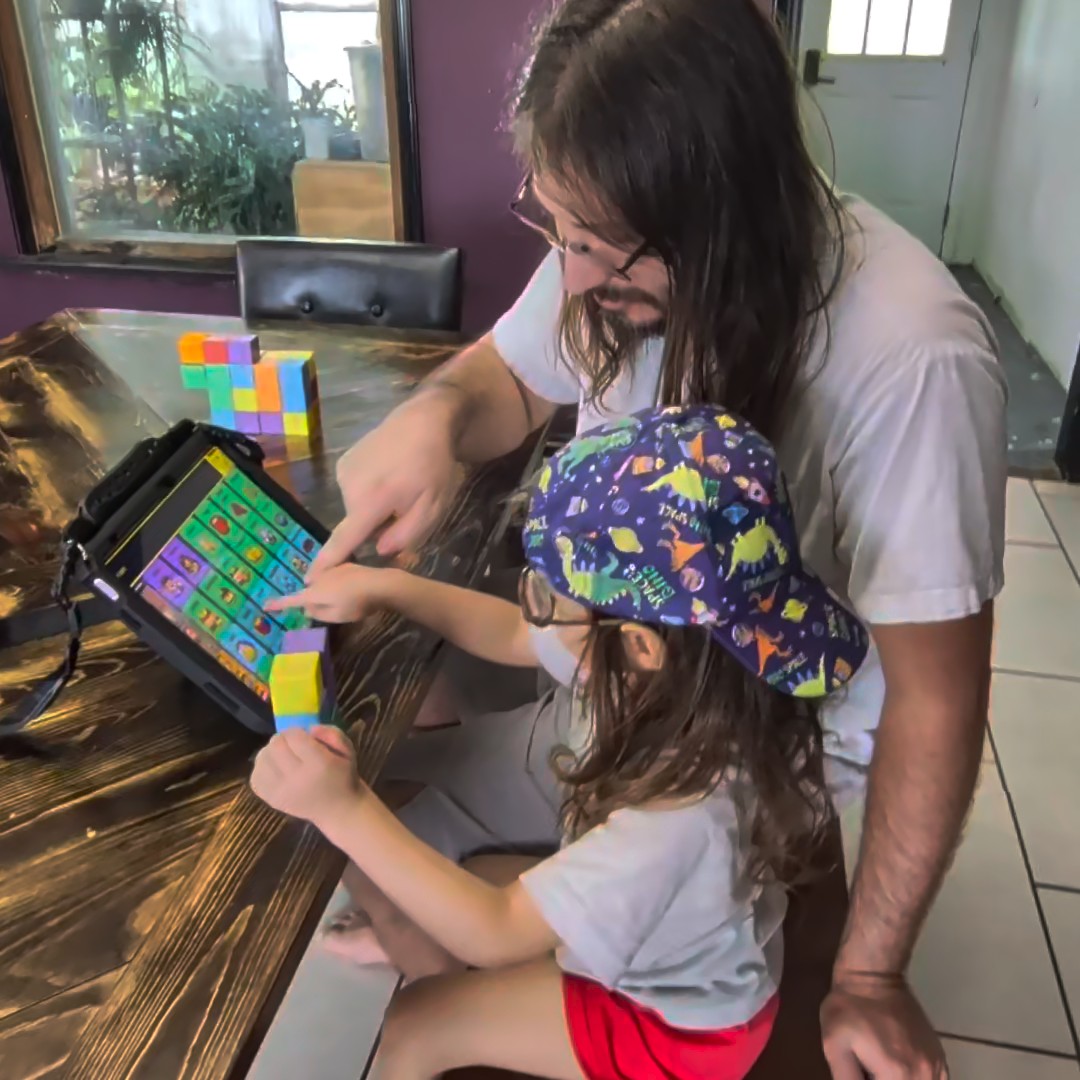
Photo: Working on
the ChirpBot app

That's what led me to start developing an application, first for my own use, and then with the realization that it could benefit others as well. The goal wasn't to replace existing therapies or tools, but to create something more intuitive and better suited to the needs of kids, parents, and educators alike.

This project is rooted in both personal experience and a long-standing interest in autism education. It's still growing, but the intent remains the same: to build something thoughtful and practical, shaped by real-world needs and everyday use.

What makes ChirpBot different: Many autism therapies are built around operant conditioning, a behavioral approach where a therapist guides a child's actions toward a goal using reinforcement. ChirpBot draws from this same foundation, but with a subtle shift: instead of reinforcing imitation or scripted responses, it encourages learning through trial and error.

Children often explore smart devices intuitively. They tap, swipe, and experiment, learning what works by seeing what gets a response. ChirpBot embraces this natural curiosity. It's designed to reward discovery, helping kids build language skills by navigating toward positive outcomes.

While it's not a substitute for social learning or human connection, ChirpBot helps open new doors for communication and confidence to grow.
Why Our Approach Is Different

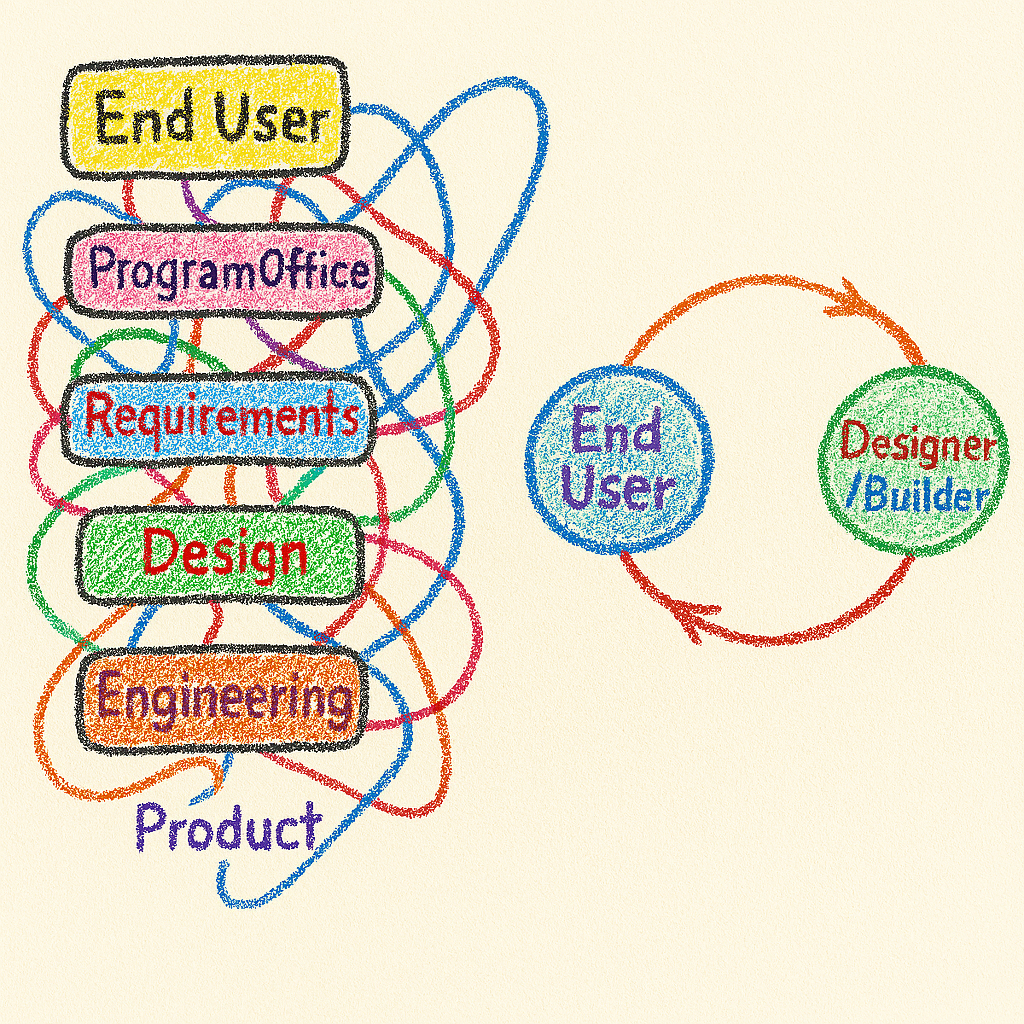
After years working in federal program offices, I have seen how easily real user needs get lost as they pass through multiple layers of translation, from business goals to requirements documents to design reviews and technical implementation. I have also led initiatives and projects aimed at bringing customer needs back to the forefront, and I have seen how powerful it is when the people closest to the problem have a direct line to the people building the solution.

As a parent, that clarity became personal. I understand the day-to-day realities families face and how communication tools need to work in real homes, real classrooms, and real moments. That perspective shapes how I think about design. Tools should support natural communication, reduce friction, and adapt to the child, not the other way around.

Because we stay close to both the lived experience and the technical implementation, we can adapt quickly as needs evolve. And because we care about the kids who depend on tools like this, we will never stop working to make them better.

Diagram showing traditional development flow with many layers versus ChirpBot's direct End User to Designer/Builder approach

Want to learn more about ChirpBot?

Our Design Philosophy

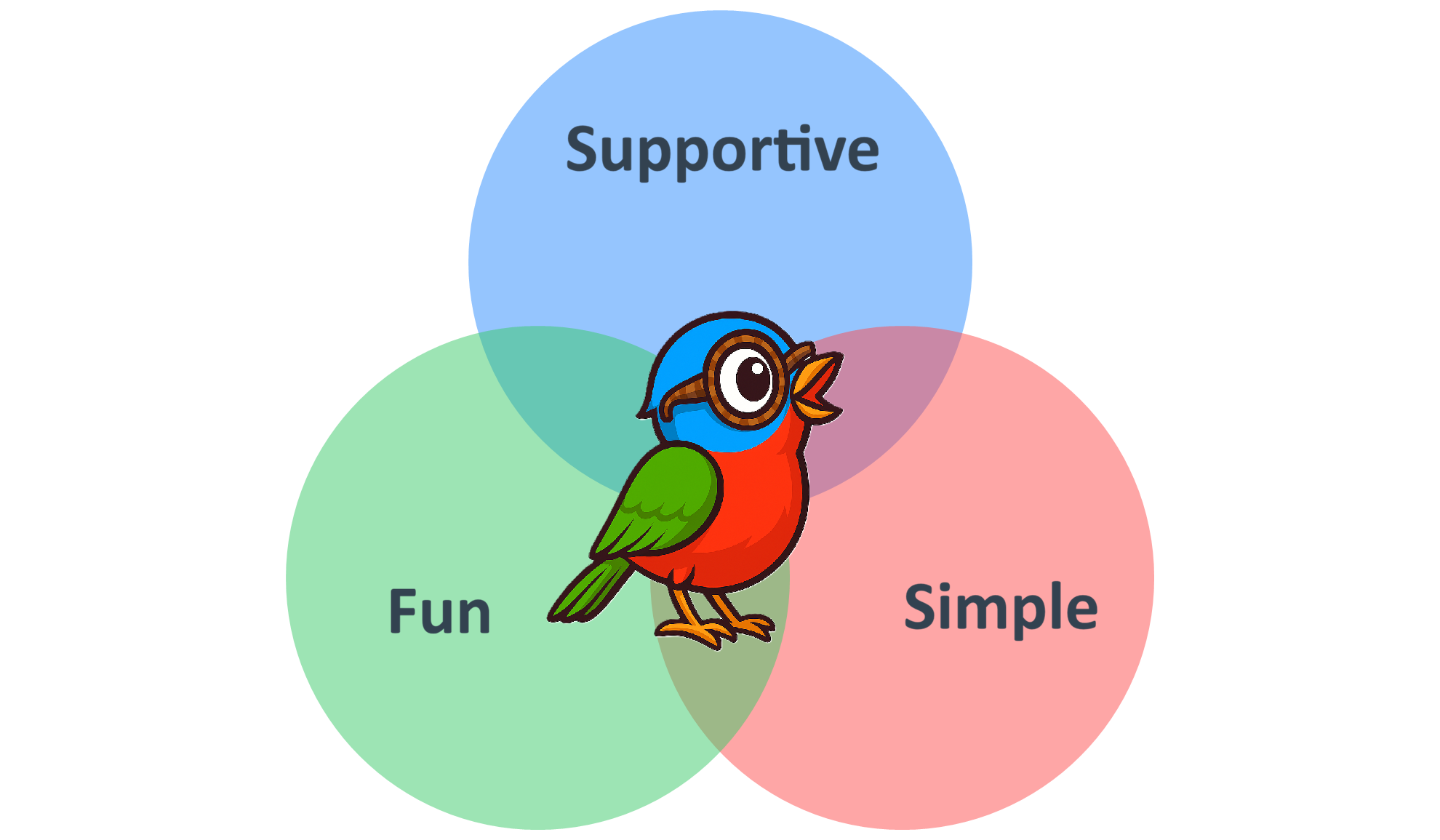
ChirpBot is built on three principles that work together to help children communicate.

ChirpBot Design: Simple, Fun, Supportive

Supportive

ChirpBot uses AI to guide communication, suggest next steps, and keep conversations flowing. Children express complete thoughts without pressure, while adults help without extensive preparation.

Why It Matters

The app adapts to your child, not the other way around. It meets learners where they are and helps families communicate more easily every day.

Fun

Children learn best when they're curious and engaged. ChirpBot uses playful interactions, exploration, and positive reinforcement to make communication enjoyable.

Why It Matters

Fun isn't decoration. It's how young brains learn. When communication feels good, children practice more and progress faster.

Simple

The interface is clean, predictable, and clutter-free. Learners focus on communicating, not navigating. Adults can step in immediately without training.

Why It Matters

Lower cognitive load means less frustration and more confidence. When communication feels easy, children use it more independently.

Hover or tap a circle to learn more

Our Mission

Every child deserves a path toward communication. ChirpBot is built to meet children where they are and help them grow, one word, one sentence, one breakthrough at a time.

Join Our Journey

Try ChirpBot today and see how it can support communication in your family or classroom.